BitcoinWorld
Lagarde: Geopolitical Conflict Continues to Weigh on Eurozone Activity
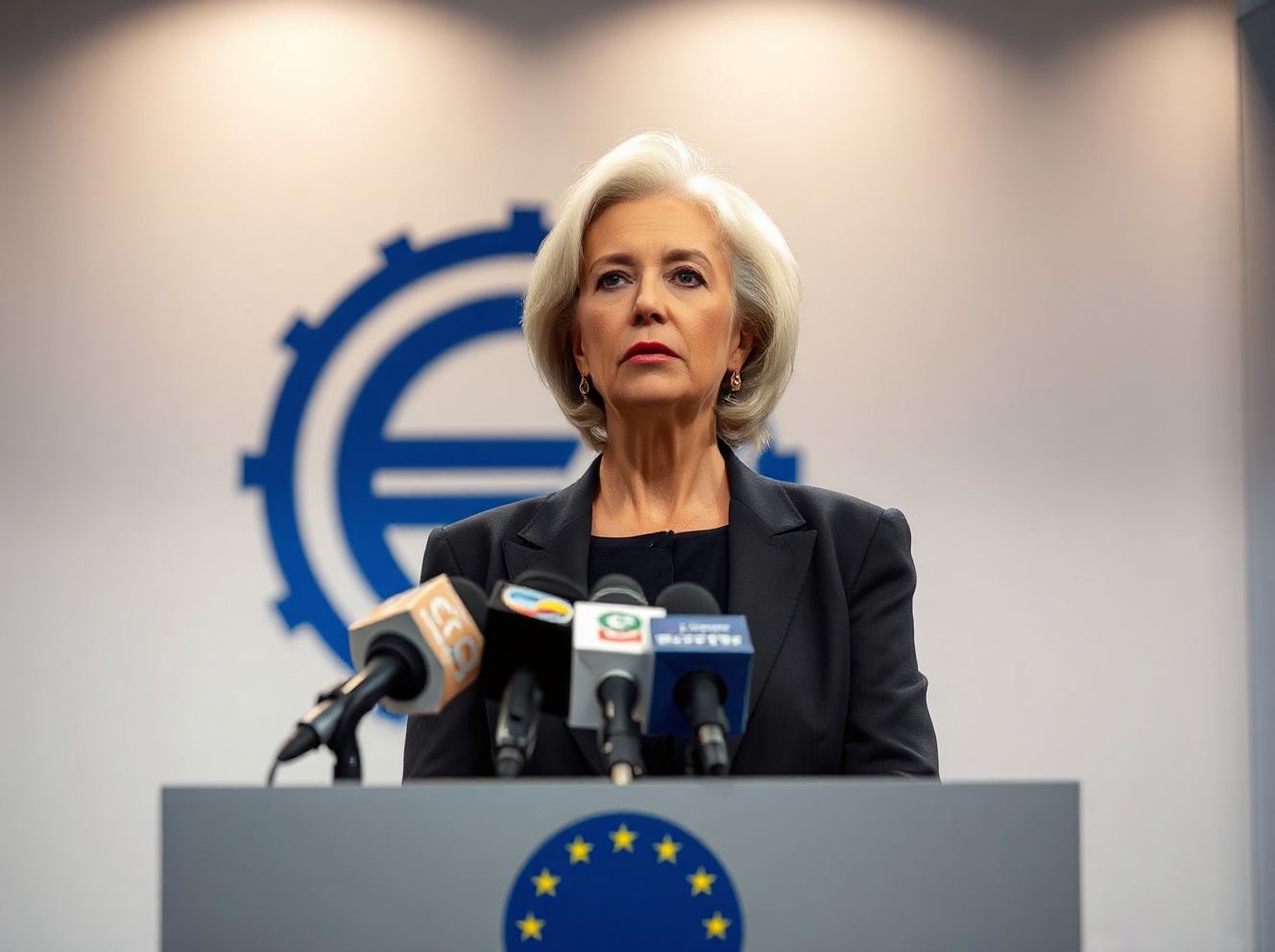
European Central Bank President Christine Lagarde stated on [date of speech, e.g., Monday] that ongoing geopolitical conflicts are negatively impacting economic activity across the Eurozone. Speaking at a scheduled event, Lagarde highlighted that uncertainty stemming from global tensions is dampening investment and consumer confidence, adding to the challenges faced by the region’s economy.
Conflict as a Persistent Headwind Lagarde’s remarks underscore the ECB’s assessment that external shocks, particularly the war in Ukraine and instability in the Middle East, continue to act as a drag on growth. She noted that these conflicts disrupt trade routes, elevate energy costs, and create an environment of caution among businesses and households. The central bank’s analysis suggests that the longer these tensions persist, the more entrenched the negative effects on production and spending become.
Implications for Monetary Policy The President’s comments come at a delicate juncture for the ECB, which is balancing the need to control inflation against the risk of further weakening economic activity. While inflation has moderated from its peak, it remains above the ECB’s 2% target. Lagarde’s focus on conflict-related headwinds suggests that the Governing Council is closely monitoring real-economy data before making further policy adjustments. Markets interpreted the speech as a signal that the ECB may maintain a cautious stance, avoiding aggressive tightening that could exacerbate the slowdown.
Broader Economic Context The Eurozone economy has shown signs of stagnation in recent quarters, with manufacturing output declining and services growth slowing. The ECB’s own staff projections have repeatedly revised growth forecasts downward, citing geopolitical risks as a primary factor. Lagarde’s statement reinforces the view that the recovery remains fragile and heavily dependent on external stability.
Conclusion Lagarde’s latest remarks confirm that the ECB views geopolitical conflict as a structural drag on Eurozone activity, not a temporary disruption. For businesses and investors, this means continued uncertainty and a likely prolonged period of subdued growth. The central bank’s policy path will remain data-dependent, with a bias toward supporting the economy if conditions deteriorate further.
FAQs Q1: What did ECB President Lagarde say about conflict and the economy? A: Lagarde stated that ongoing geopolitical conflicts are weighing on economic activity in the Eurozone, citing negative effects on investment, trade, and consumer confidence.
Q2: How might this affect ECB interest rate decisions? A: The comments suggest the ECB may hold off on further rate hikes to avoid worsening the economic slowdown, prioritizing stability over aggressive inflation control.
Q3: Which conflicts is Lagarde referring to? A: While not specified in the excerpt, her remarks typically reference the war in Ukraine and tensions in the Middle East as key sources of economic disruption.
This post Lagarde: Geopolitical Conflict Continues to Weigh on Eurozone Activity first appeared on BitcoinWorld.